Hydroelectric Power
As a whole, AMP’s hydroelectric power projects on the Ohio River constitute one of the largest deployments of clean, renewable hydro energy in the country.
Leading the Way in Hydroelectric Power
Hydroelectric power is the most prevalent form of renewable energy used to generate electricity. Hydroelectric generation is far more dependable than other forms of renewable generation.
American Municipal Power, Inc.’s (AMP) investments in hydroelectricity date back to the late 1990s with the completion of its first run-of-the-river facility at the Belleville Locks and Dam on the Ohio River. In the following years, from 2007 to 2017, AMP increased its hydro interests with the development of four run-of-the-river projects at existing U.S. Army Corp of Engineers dams on the Ohio River. Three of those projects — the Cannelton, Smithland and Willow Island hydroelectric plants — were developed by AMP on behalf of participating Members. Additionally, together with the City of Hamilton, an AMP Member, AMP developed the Meldahl Hydroelectric Plant, which is majority owned by AMP and operated by the City of Hamilton. AMP and its Members also hold interest in the Greenup Hydroelectric Plant, which is majority owned by the City of Hamilton and is located on the Ohio River near Franklin Furnace, Ohio.
In total, this hydropower fleet of six plants along the Ohio River represents one of the largest deployments of run-of-the river hydroelectric generation in the country. With the exception of the Greenup Hydroelectric Plant, the other facilities — Cannelton, Smithland, Willow Island and Meldahl — are all modeled after the original design used at the Belleville facility.
Our Hydro Power Plants
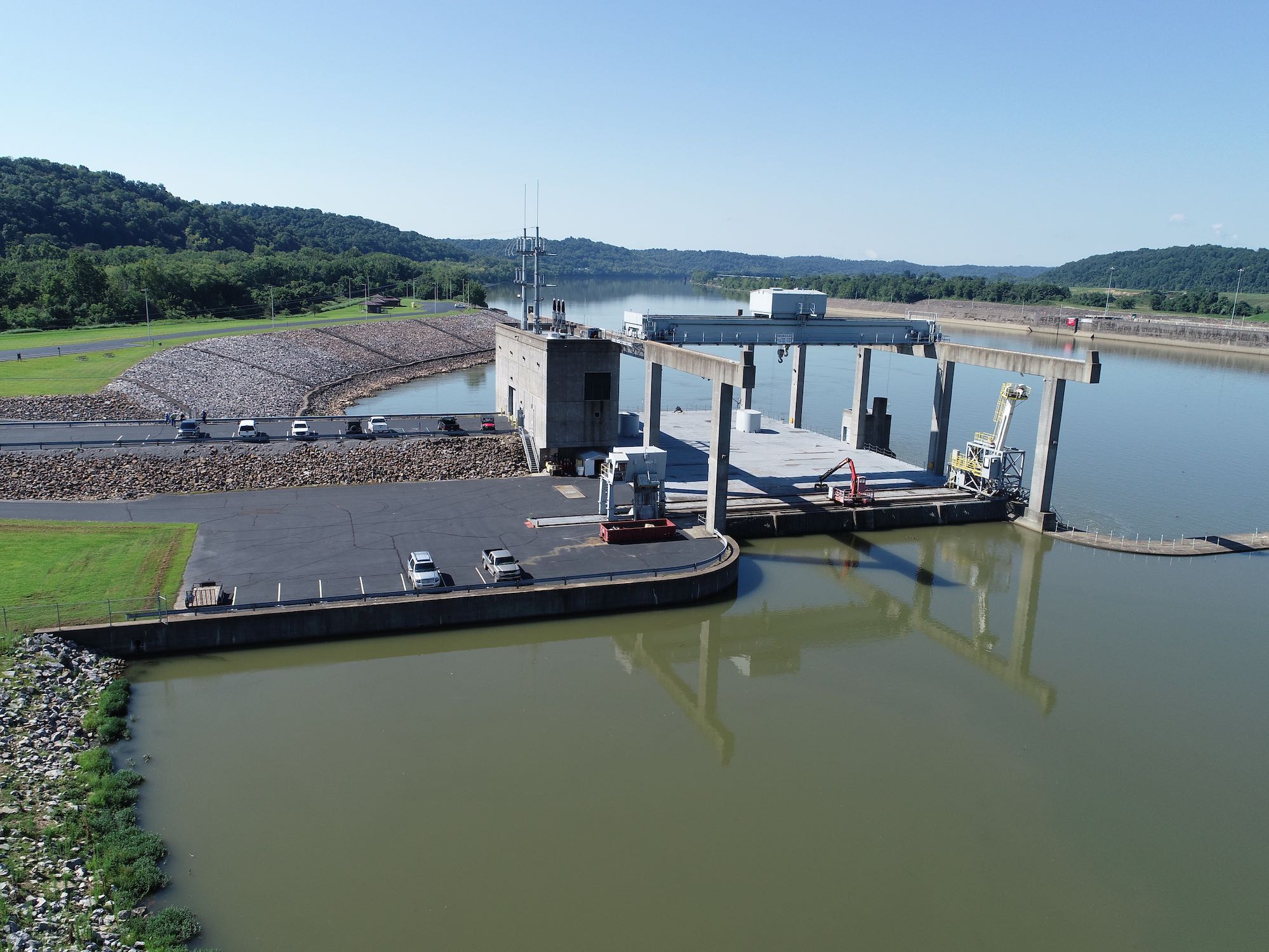
Belleville Hydroelectric Plant
The Belleville Hydroelectric Plant is a 42-MW run-of-the-river hydroelectric power plant providing renewable generation to the region.
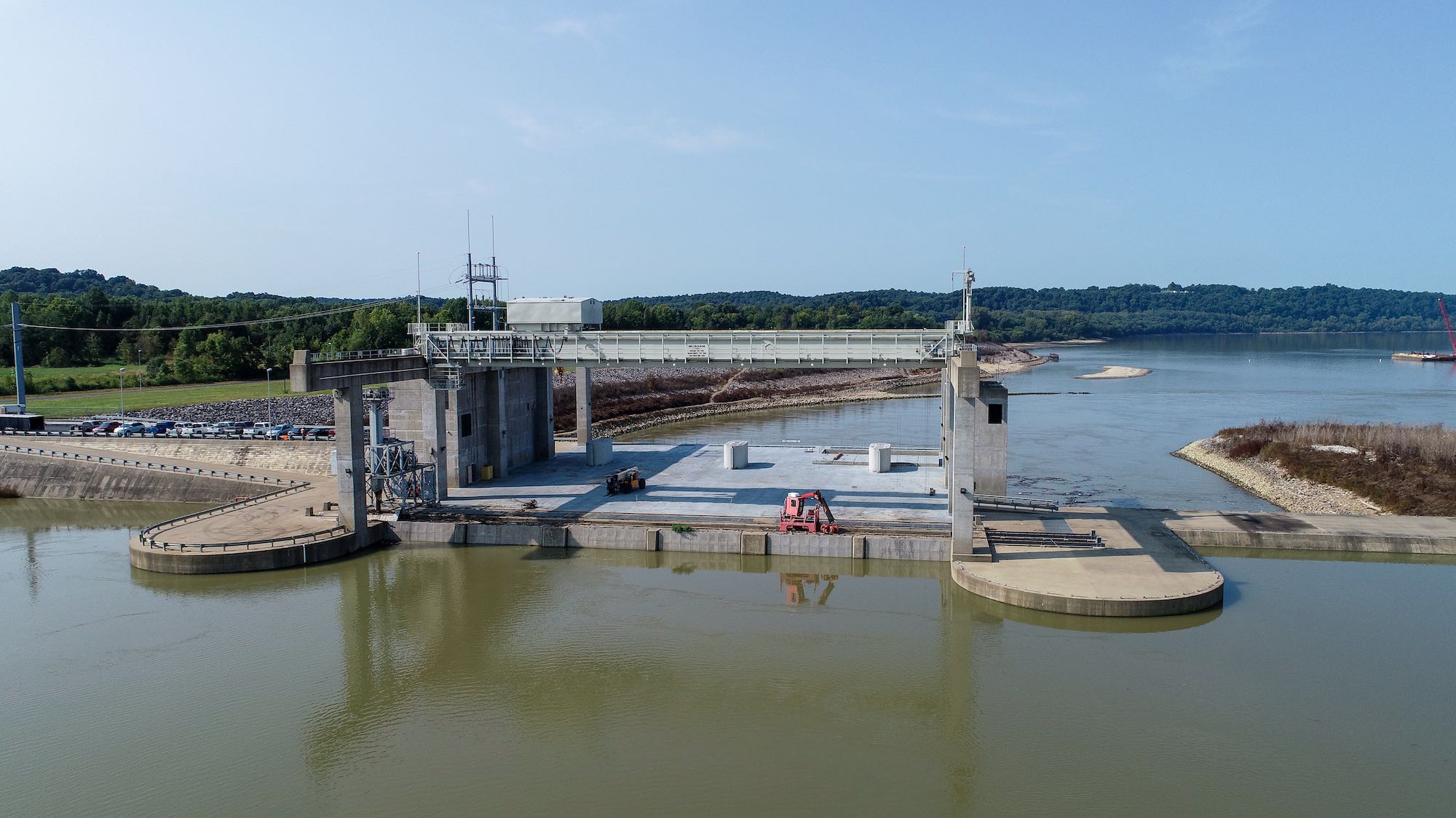
Cannelton Hydroelectric Plant
The Cannelton hydroelectric plant is an 88-MW run-of-the-river plant that is part of the AMP Combined Hydroelectric project, which also includes the Smithland and Willow Island hydro energy facilities.
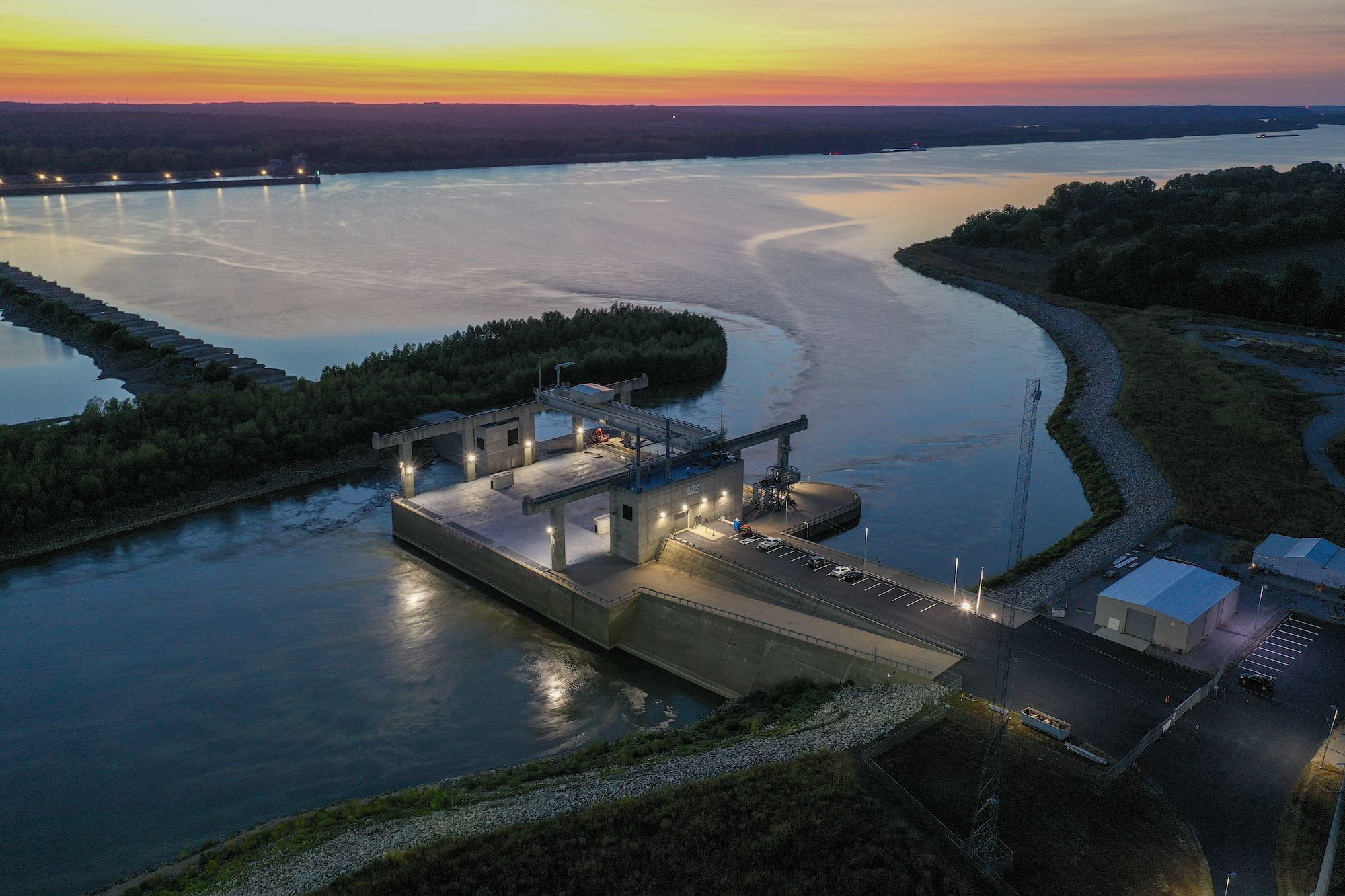
Smithland Hydroelectric Plant
The Smithland hydropower facility is a 76-MW run-of-the-river hydroelectric power plant that is part of the AMP Combined Hydroelectric project, which also includes the Cannelton and Willow Island hydroelectric plants.
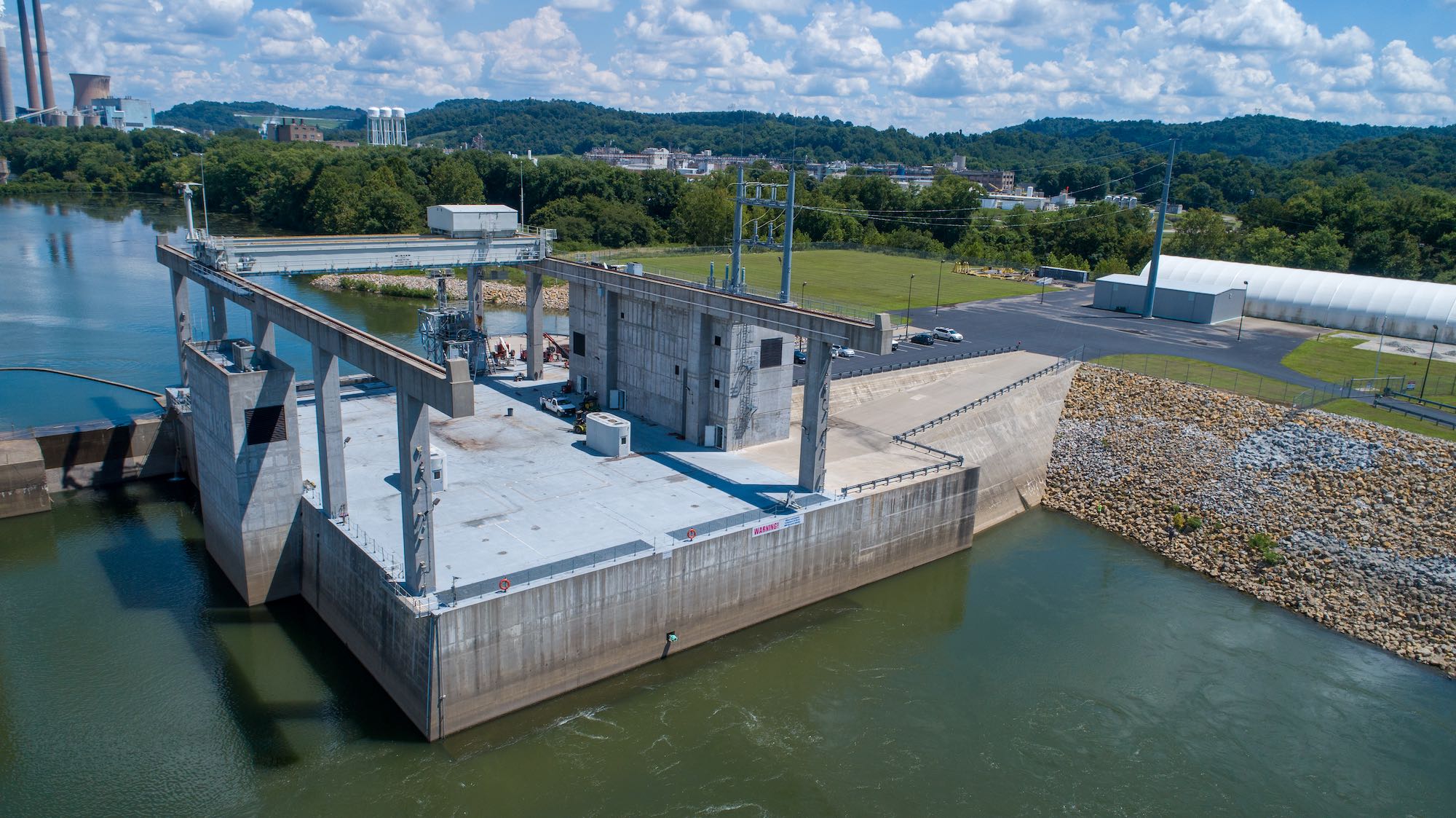
Willow Island Hydroelectric Plant
The Willow Island hydroelectric facility is a 44-MW run-of-the-river hydroelectric power plant that is part of the AMP Combined Hydroelectric project, which also includes the Cannelton and Smithland water power facilities.
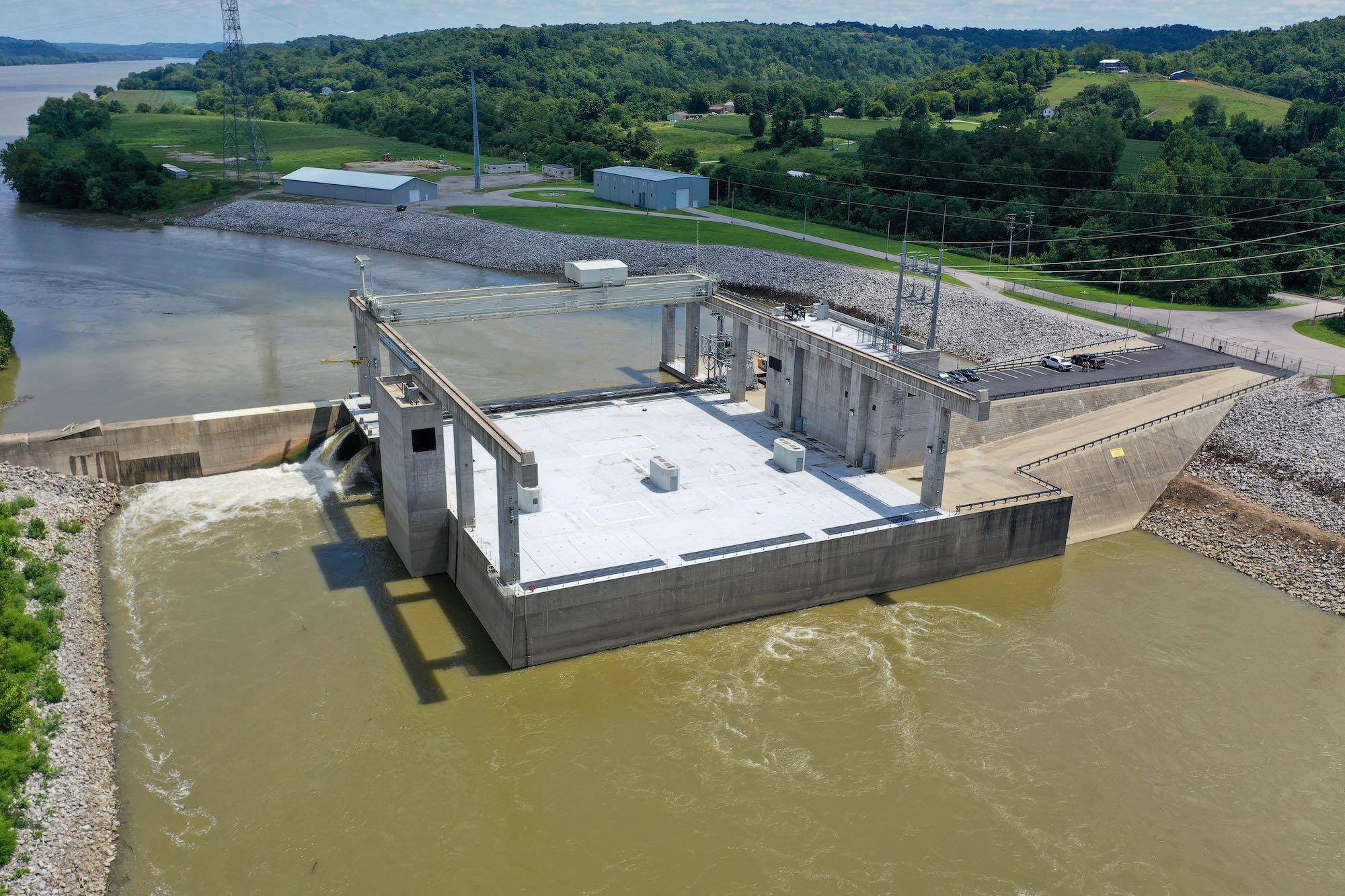
Meldahl Hydroelectric Plant
The Meldahl Hydroelectric Plant, operated by the City of Hamilton, is a 105-MW run-of-the-river hydroelectric facility that provides renewable generation to the region.
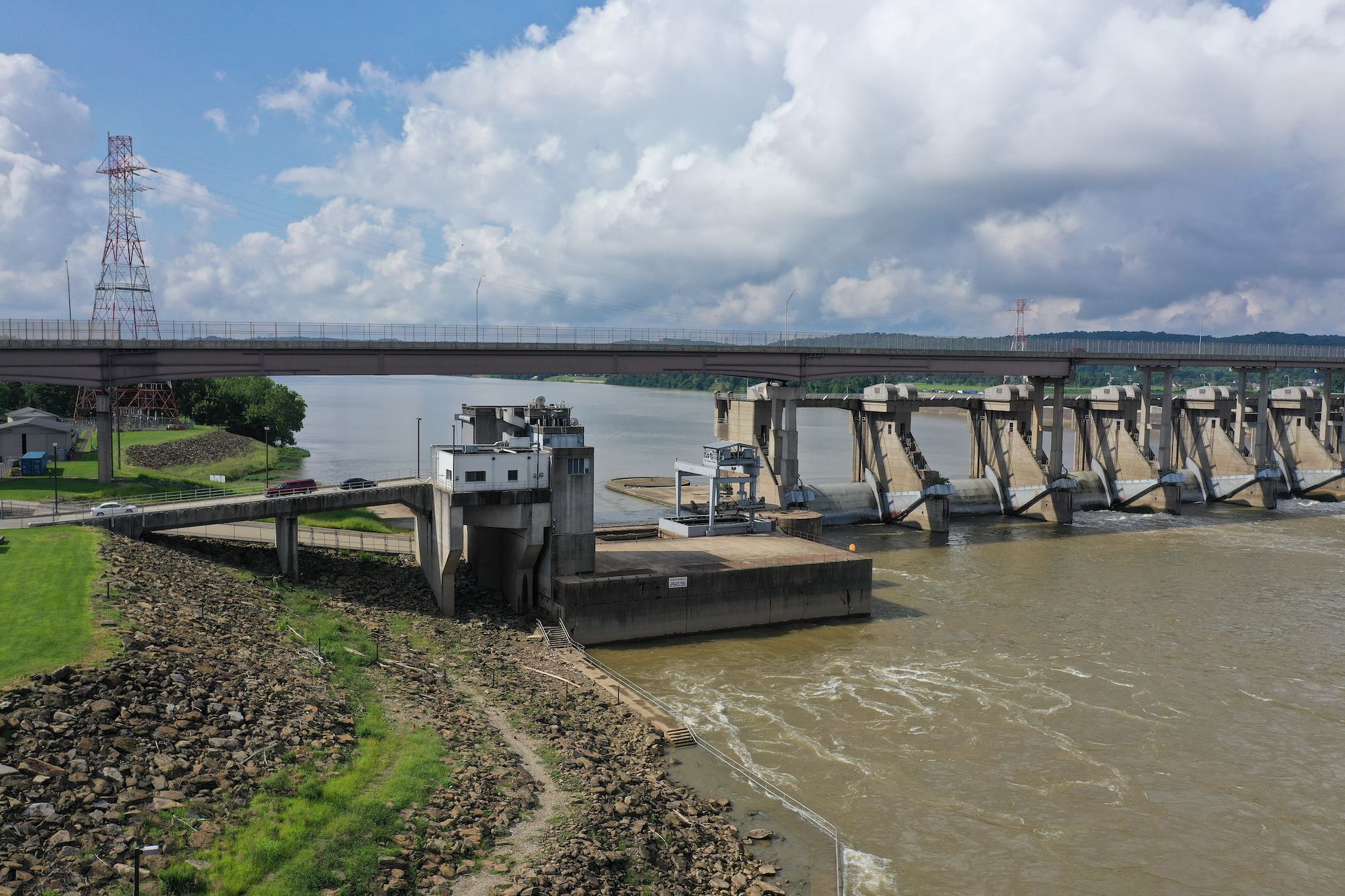
Greenup Hydroelectric Plant
The Greenup Hydroelectric Plant, majority owned and operated by the City of Hamilton, is a 70.2-MW run-of-the-river hydroelectric plant that provides renewable generation to the region.
Member-operated Hydroelectric Power Projects
Eight AMP Member communities operate locally owned hydroelectric generation facilities. These include the cities of Columbus, Bryan and Hamilton in Ohio; Bedford and Danville in Virginia; Marshall in Michigan; and New Martinsville in West Virginia.
Section 247 Conflict of Interest Policy
For hydro energy projects funded wholly or in part under U.S. Department of Energy assistance awards, AMP will adhere to the attached Interim Conflict of Interest Policy, in addition to AMP’s existing Conflict of Interest Policy.
*Note that AMP, on behalf of its Members, sells all or a portion of the renewable energy certificates created by its renewable energy projects, power purchase agreements and joint ventures to help reduce its wholesale power costs.


